What’s Actually Happening With Mortgage Rates and the Housing Market?

Mortgage rates have changed the way many people approach buying a home, but demand hasn’t disappeared. With buyers adapting to higher monthly payments and the North West continuing to perform well, what does the current mortgage market actually mean for those looking to move?
If you've been keeping an eye on mortgage rates recently, you'll know they've been moving around quite a bit.
Higher rates have definitely had an impact on buyers. Monthly payments are higher than they were a few years ago and, for some people, that's meant adjusting the price range they’re looking at.
But that doesn’t mean people have stopped buying houses.
In fact, particularly across the North West, the market is holding up pretty well.
What do today's rates actually mean for buyers?
This is probably the biggest change we've seen.
Rightmove currently puts the average first-time buyer asking price at around £225,000. With a 10% deposit, the estimated mortgage payment is around £1,200 a month.
A few years ago, that same sort of mortgage would have been considerably cheaper.
That’s why we're having more conversations now around monthly payments rather than simply “How much can I borrow?”
A buyer might technically be able to borrow £250,000, but if they only want to spend £1,200 a month on their mortgage, that becomes just as important.
Mortgage terms are getting longer, deposits can make a bigger difference and lender choice matters.
There has been some positive movement
One thing we've been watching closely recently is swap rates.
Without getting too technical, swap rates play a big part in how lenders price their fixed mortgage deals.
They've been pretty volatile recently, but we have started to see some downward movement after the increases earlier in September.
That doesn't automatically mean mortgage rates are about to drop.
But if swap rates continue to settle, we'd hope to see lenders becoming more competitive again.
And when lenders start competing for business, that's normally good news for borrowers.
What about the North West?
This is where things get interesting.
Despite everything we've heard about higher rates and affordability, the North West has continued to perform well.
Official house price data showed prices across the North West up 4.7% year-on-year, which was the strongest growth of any English region at the time.
The average property price was around £220,000.
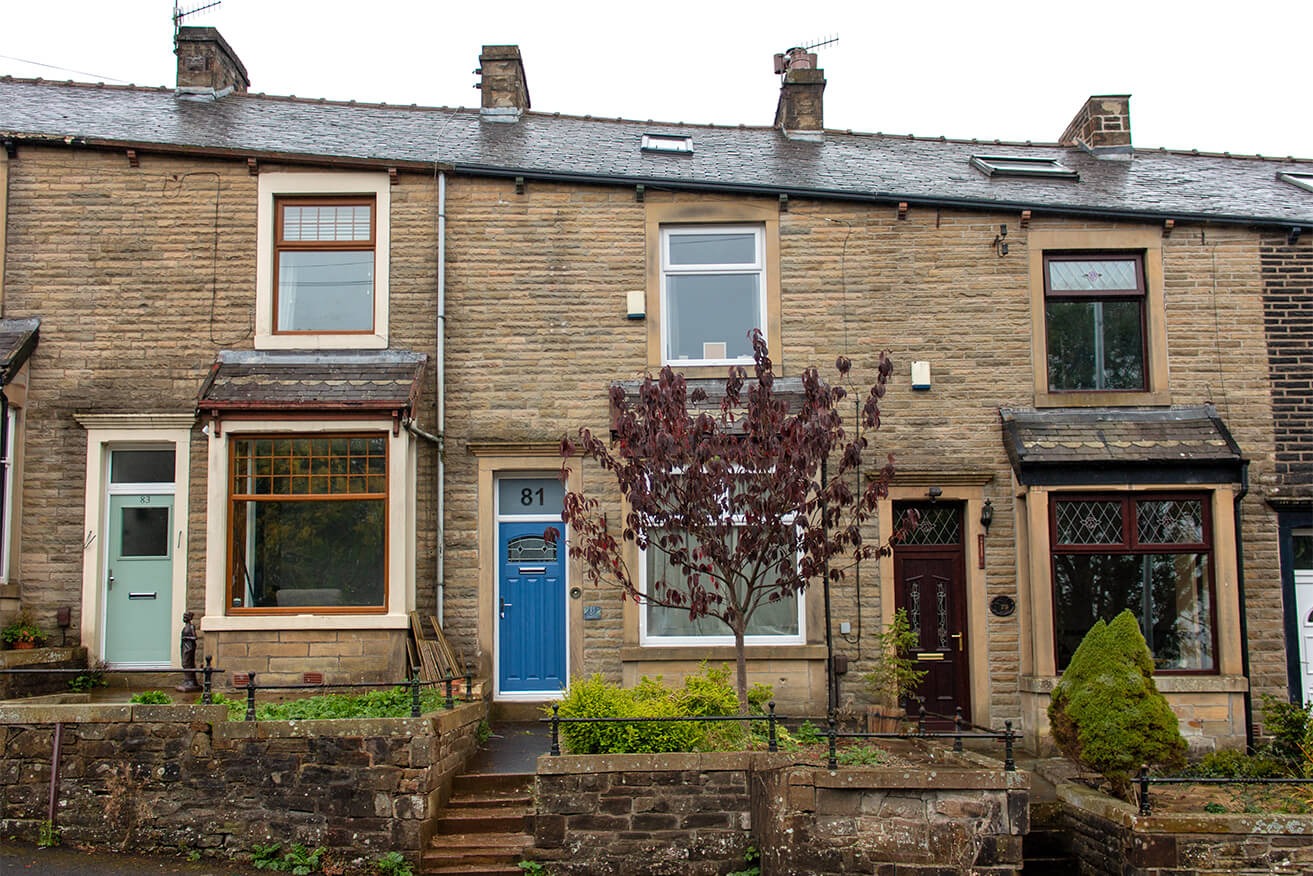
Closer to home, Zoopla's figures put the average property in Preston at around £205,000, with prices up around 2.7% over the year.
So while affordability has undoubtedly become more difficult, people are still buying, and prices locally have continued to move.
There are signs of buyer confidence too. Rightmove reported a 4% increase in buyer demand across the North West at the start of September.
That's important because it shows that buyers haven't disappeared – they're just having to be a little more considerate about what they buy and what they can afford.
First-time buyers still want to get on the ladder. Families still need bigger houses. People relocate, relationships change, and existing homeowners still want to move.
What has changed is the importance of knowing the numbers early.
We speak to buyers all the time who are surprised by what they can borrow – sometimes positively and sometimes the other way.
Getting an Agreement in Principle and understanding the monthly payment before viewing properties can save a lot of wasted time for the buyer and the estate agent.
It also means that when someone does make an offer, there's a much clearer idea of whether the mortgage side actually works.
So where do we go from here?
Nobody knows exactly where mortgage rates will be in three or six months.
There are too many things that can change.
But there are reasons to be positive.
We've seen some recent downward movement in swap rates, lenders still want to lend, buyer demand in the North West remains there, and local house prices have continued to hold up.
A slightly higher mortgage rate doesn't suddenly stop somebody wanting to buy their first home or move into their next one.
It just makes getting the mortgage right more important.
And from what we're seeing day-to-day, there are still plenty of people looking to move.
The market hasn't stopped. Buyers are just adapting to it.