The 2026 Mortgage Market: What Buyers and Homeowners Need to Know

Mortgage rates continue to shape the property market in 2026. But what do changing rates mean for buyers and homeowners? We look at the latest mortgage statistics, affordability and what they could mean for your next move across Lancashire and beyond.
For anyone thinking about moving home in 2026, understanding the mortgage market is more important than ever.
Mortgage rates, affordability and lending criteria can all influence how much buyers can borrow and, ultimately, which properties are within reach. But despite the challenges, there are still opportunities for buyers across Lancashire.
What is happening with mortgage rates?
The Bank of England's latest figures show that the effective interest rate on newly drawn mortgages reached 4.45% in July 2026, up from 4.35% in June.
Mortgage approvals also fell to around 56,100 in July, their lowest level since early 2024. This suggests that buyers are still active, but many are being more cautious about affordability and monthly repayments.
For buyers, even a small change in mortgage rates can make a noticeable difference.
For example, a £200,000 repayment mortgage over 25 years would cost approximately:
3.5%: £1,001 per month
4.5%: £1,112 per month
5.5%: £1,228 per month
The difference between 3.5% and 5.5% is therefore around £227 a month, or more than £2,700 a year.
How is this affecting the local property market?
The impact of mortgage rates isn't the same everywhere.
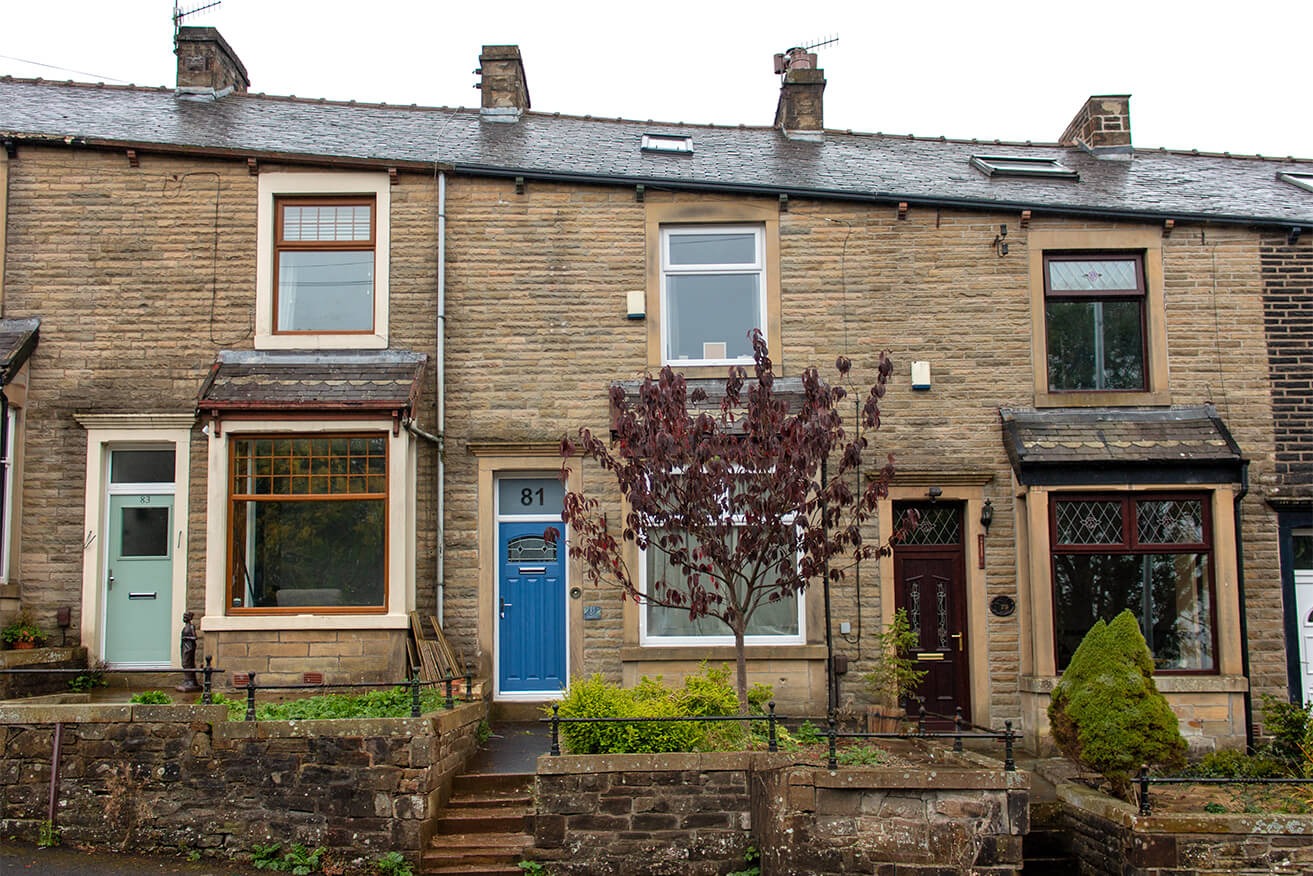
Property prices vary significantly across the areas we cover, from more affordable towns and communities to higher-value villages and sought-after family locations.
For example, the average property price in Burnley is around £135,000, while the average first-time buyer property is approximately £121,000.
Burnley prices were also around 9.9% higher than a year earlier in June 2026.
In Pendle, the average sold price over the last year was approximately £181,099, while the Ribble Valley recorded an average property price of around £288,000.
These figures demonstrate why mortgage planning needs to be personal to the buyer. Someone purchasing a first home at £130,000 will have very different borrowing requirements from a family moving to a £350,000 property.
And across the wider areas we cover, there are many different price points and property types to consider.
First-time buyers: preparation is key
For first-time buyers, obtaining an Agreement in Principle before starting the property search can be extremely useful.
It provides an indication of how much you may be able to borrow and helps establish a realistic budget before you begin viewing properties.
However, it's important not to automatically spend the maximum a lender is prepared to offer.
Buyers also need to consider council tax, utilities, insurance, maintenance and unexpected costs. The best mortgage isn't necessarily the one that allows you to buy the most expensive property - it's the one that remains comfortably affordable.
What about existing homeowners?
Mortgage rates are also important for homeowners coming to the end of fixed-rate deals.
The Bank of England estimates that nearly 750,000 households currently paying less than 3% interest will roll off fixed-rate mortgages during 2026, with average repayments expected to increase by around £170 per month.
For some homeowners, this could influence their decision about whether to move, stay where they are or refinance.
It may also affect the type of property they are looking for and the budget they have available for their next home.
Could there still be opportunities for buyers?
Absolutely.
A slower mortgage market doesn't necessarily mean a poor housing market. Buyers who have their finances organised may find they have more time to consider properties and negotiate.
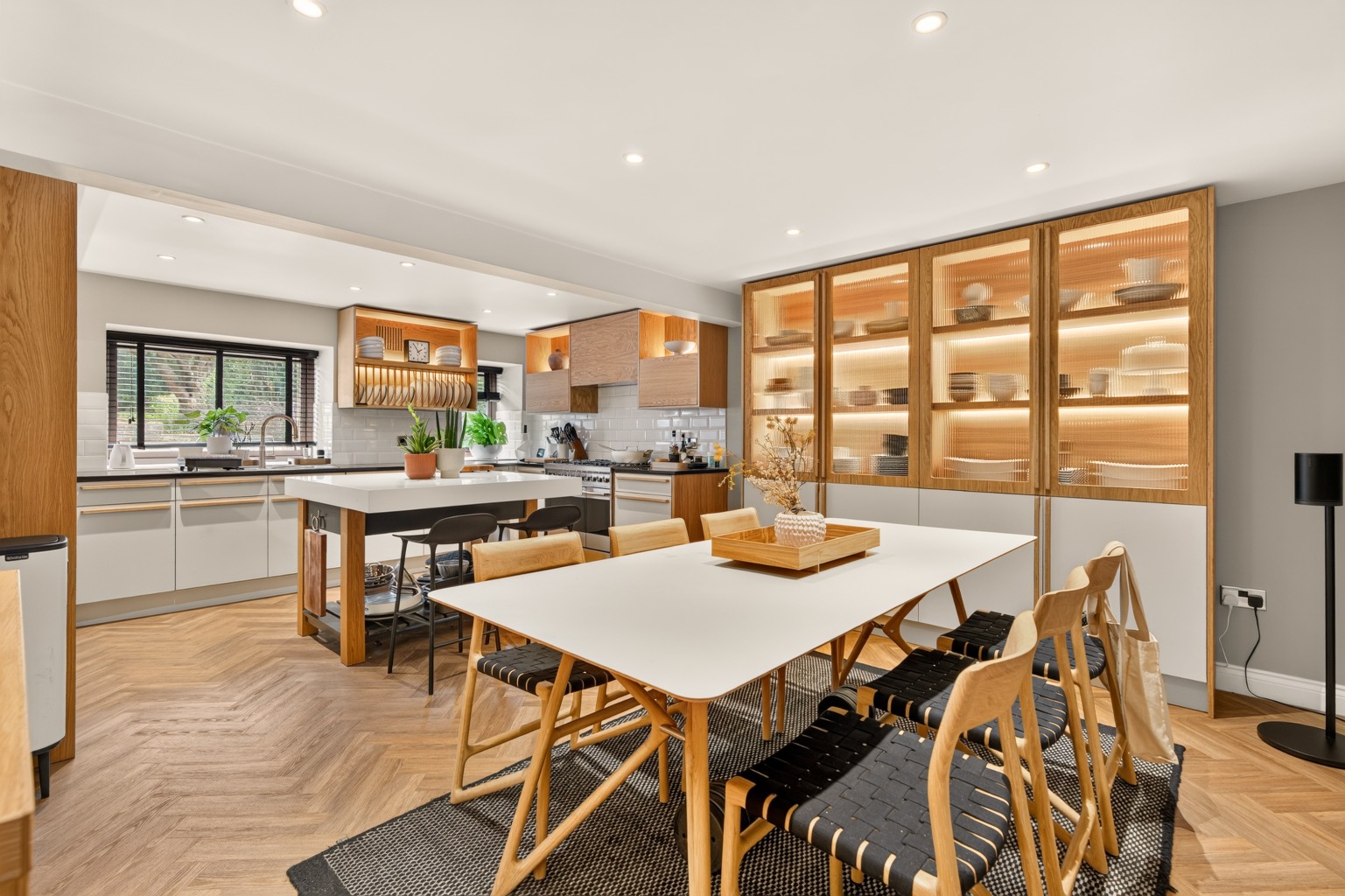
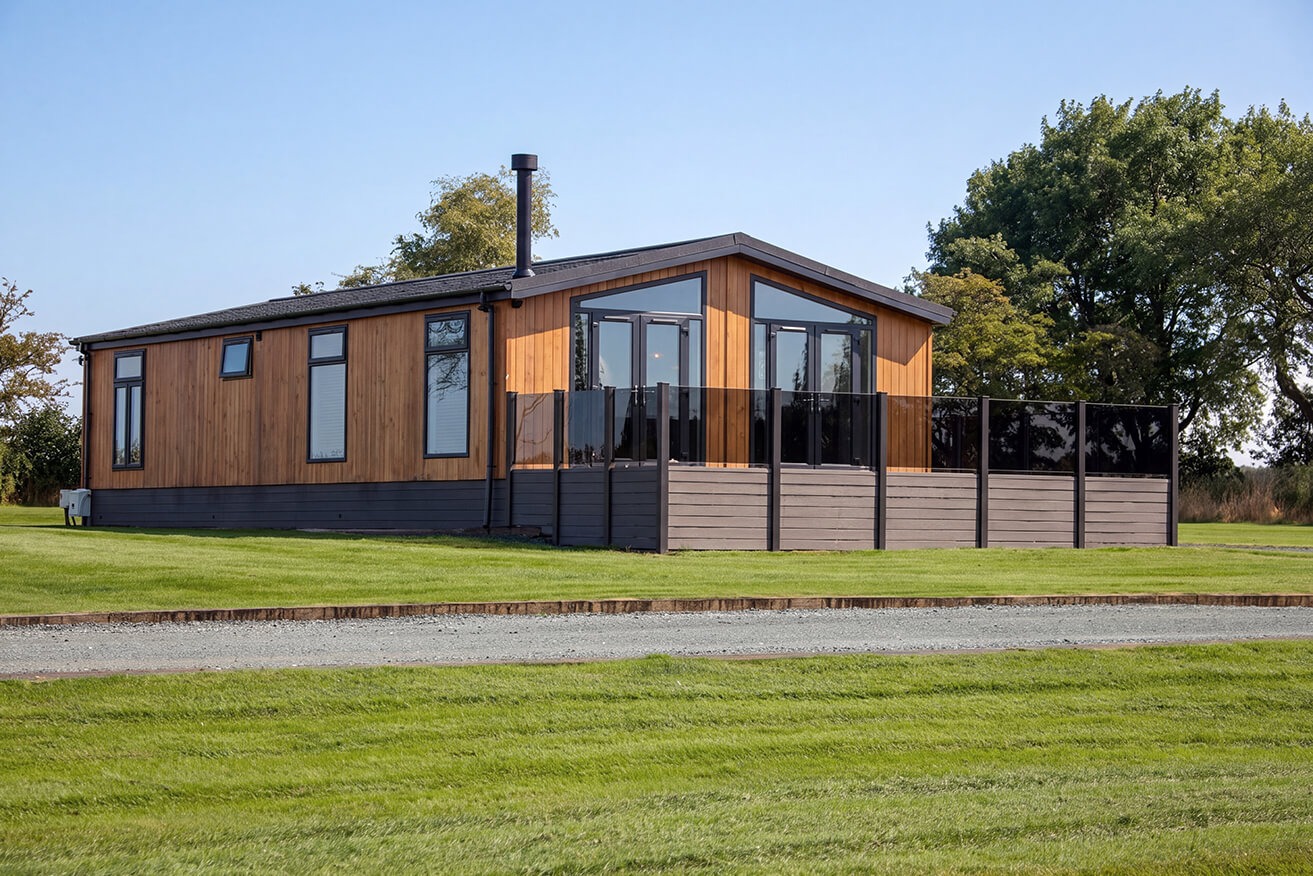
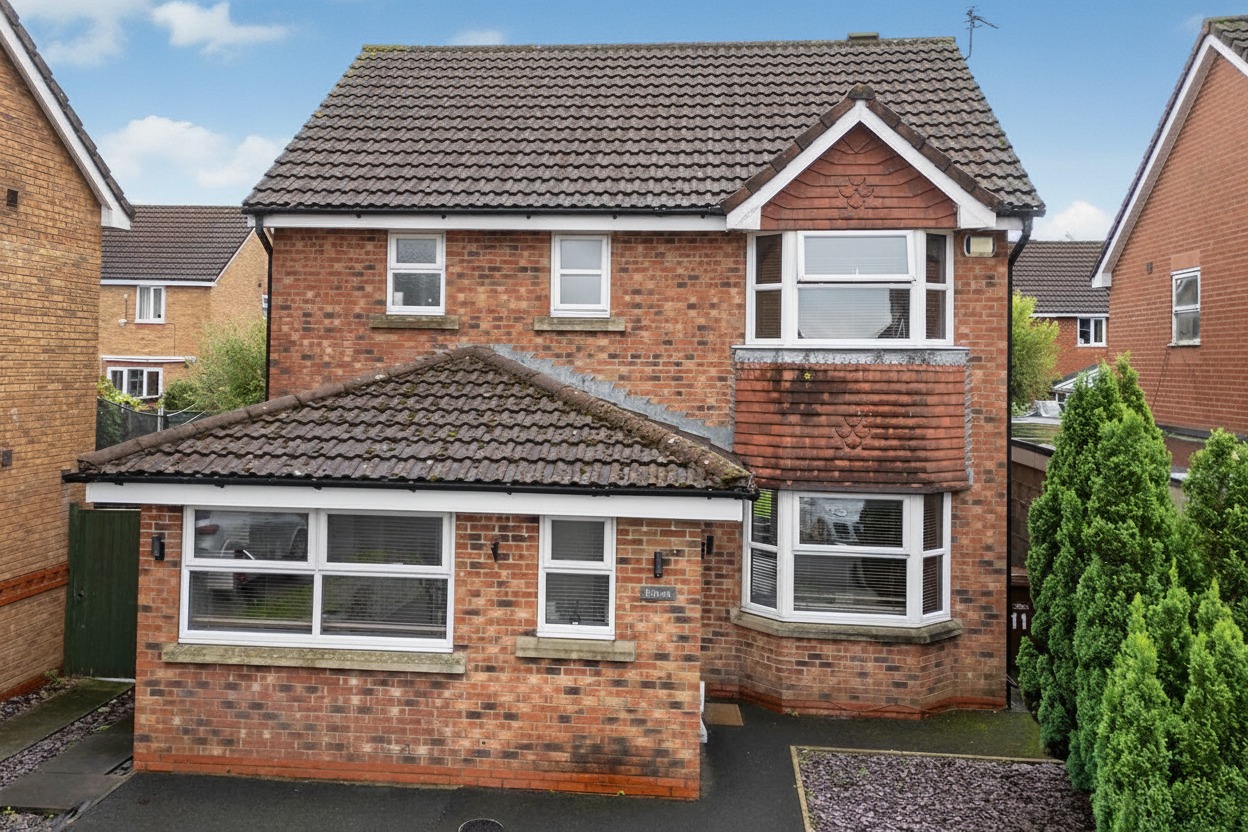
The areas we cover offer a broad range of property, from homes suitable for first-time buyers and investors through to larger family properties and higher-value homes.
This variety means buyers can potentially adjust their search according to their budget and mortgage position.
For sellers, however, it makes realistic pricing more important than ever.
Today's buyers are carefully considering monthly repayments and comparing properties to make sure they are getting good value. A property that is priced correctly from the outset is more likely to attract serious buyers.
Don't wait for the "perfect" mortgage rate
One of the biggest questions buyers ask is whether they should wait for mortgage rates to fall further.
There is no guaranteed answer.
Interest rates can be influenced by inflation, the economy and wider financial conditions, meaning nobody can predict exactly where mortgage rates will be in six or twelve months.
For some buyers, waiting may make sense if they need more time to save a deposit or improve their financial position. For others, waiting could simply mean delaying a move that is already affordable.
Rather than trying to perfectly time the market, it can be more sensible to focus on whether the property and mortgage work for your individual circumstances.
The Pendle Hill Properties view
The mortgage market in 2026 is certainly different from the period of exceptionally low interest rates, but buyers are still moving.
Across Lancashire and the wider areas, there are opportunities for a wide range of buyers. The key is understanding what you can realistically afford and finding the right property within that budget.
Know your budget, understand your mortgage options and make sure the monthly repayments work for you - not just today, but for the years ahead.
At Pendle Hill Properties, we understand the local property market and the factors influencing today's buyers and sellers.
Whether you're buying your first home, moving up the ladder, downsizing, investing or simply considering your options, having the right information can make all the difference.
Thinking about your next move? Speak to the Pendle Hill Properties team to find out what your property could be worth and how today's market could affect your plans.